
7 Things to Consider Before Moving to a 55 Plus Community

Moving during retirement is about more than finding a different house. It is about choosing the environment where you will spend your time, build new routines, and create the next chapter of your life.
For many adults, moving to a 55 plus community offers an appealing combination of convenience, social connection, amenities, and lower-maintenance living. These communities are often designed around the interests and needs of active adults, making it easier to meet people and stay engaged.
Still, not every community offers the same experience. One may feel lively and social, while another may feel quiet and private. Some may focus heavily on recreation, while others place more value on simplicity and location.
Before making a decision, it helps to look beyond the model home and consider how the community will support your everyday life. These seven factors can help you evaluate whether a community is truly the right fit.
1. Location and Everyday Convenience
Location should be one of the first things you evaluate.
A beautiful home may lose some of its appeal if daily errands, healthcare appointments, restaurants, or family visits become difficult. Think about how close the community is to the places you expect to use regularly.
Consider access to:
Grocery stores
Pharmacies
Hospitals and medical offices
Restaurants
Shopping
Parks and beaches
Airports or major highways
You should also think about the type of setting you prefer. Some people want to be close to a busy downtown. Others prefer quieter neighborhoods that still offer convenient access to nearby services.
In Ormond Beach, residents can enjoy a more relaxed coastal atmosphere while remaining close to Daytona Beach, healthcare providers, shopping, dining, and outdoor recreation. That balance can make daily life feel manageable without feeling isolated.
2. Lifestyle and Amenities
Amenities often attract buyers, but it is important to consider whether you will actually use them.
A long list of features can look impressive in a brochure, but the most valuable amenities are the ones that match your interests. Someone who enjoys fitness may value walking paths, a gym, or a swimming pool. Another person may care more about card groups, creative clubs, or community events.
Common amenities may include:
Clubhouses
Swimming pools
Fitness areas
Pickleball courts
Walking paths
Social clubs
Community gatherings
Ask yourself what you want your average week to look like. Do you picture attending fitness classes, meeting neighbors for coffee, or joining regular social events? Or do you prefer a quieter lifestyle with occasional activities?
The right community should make your preferred lifestyle easier, not pressure you into becoming someone you are not.
3. Sense of Community and Social Connection
One of the biggest benefits of a 55 plus community can be the opportunity to build new friendships.
That matters because moving often means leaving familiar neighbors, routines, and social circles behind. A community that encourages interaction can make the transition feel much easier.
When touring, pay attention to how residents interact. Do people greet one another? Are there regular activities? Does the clubhouse feel active? Are new residents welcomed into events and groups?
You can also ask questions such as:
How often are events held?
Are activities resident-led or professionally organized?
Are there groups for different interests?
How easy is it for newcomers to get involved?
A strong sense of community does not mean everyone must participate in everything. It means opportunities are available when you want connection.
For many retirees, those social opportunities become just as valuable as the home itself.
4. Home Design and Maintenance
The right home should support the way you live now and remain comfortable in the future.
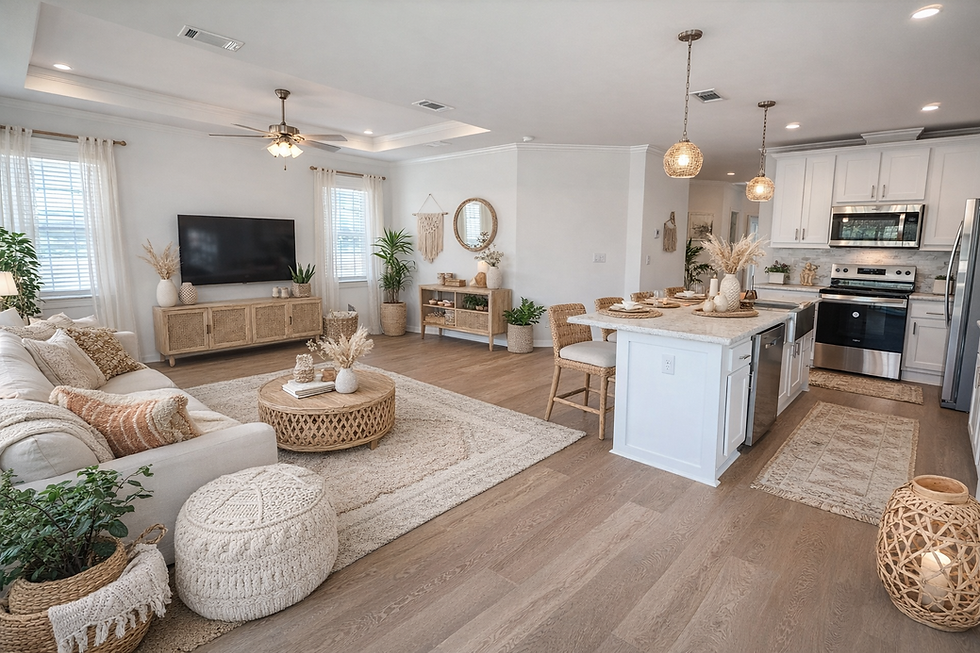
Single-level layouts are often popular because they eliminate stairs and make everyday movement easier. Open floor plans, wider hallways, walk-in showers, and accessible storage can also make a home more practical over time.
When reviewing a floor plan, consider:
How much space you truly need
Whether guest rooms will be used regularly
Storage for hobbies and seasonal items
Kitchen layout and counter space
Bathroom accessibility
Garage size
Outdoor living areas
It is also important to understand what maintenance is included and what remains your responsibility.
Ask about landscaping, exterior upkeep, common areas, and community standards. Lower-maintenance living can provide more time for travel, hobbies, and social activities, but only if you understand the full arrangement before moving in.
5. Healthcare Access
Healthcare may not be the most exciting part of retirement planning, but it is one of the most important.
Even active and healthy adults benefit from living near dependable medical care. Consider how far the community is from hospitals, urgent care centers, specialists, pharmacies, and primary care offices.
You may also want to review whether your current doctors or insurance network operate in the area.
Moving to a new state or county can affect:
Doctor availability
Insurance networks
Prescription costs
Specialist access
Travel time for appointments
A community that offers a beautiful lifestyle but poor access to healthcare may create stress later. Choosing a location with reliable medical services nearby can provide valuable peace of mind.
6. Financial Considerations
The price of the home is only one part of the financial picture.
Before moving to a 55 plus community, review all ongoing costs carefully. These may include:
Monthly community fees
Lot rent or HOA fees
Property taxes
Home insurance
Utilities
Maintenance responsibilities
Amenity fees
Ask exactly what each fee covers and whether increases are expected over time.
It is also helpful to compare the total cost with your current living situation. A new home may cost less to maintain, heat, cool, and insure than a larger older home. On the other hand, community fees should be included in your long-term budget.
The goal is not simply to choose the cheapest option. It is to understand the value you are receiving and whether the costs fit comfortably within your retirement plan.
7. Long-Term Happiness and Lifestyle Fit
The final question is also the most personal: Can you picture yourself being happy there five, ten, or fifteen years from now?
A community should fit more than your current needs. It should support the life you hope to build.
Think about:
Whether you feel comfortable in the neighborhood
Whether activities match your interests
Whether the location supports your routines
Whether the home feels manageable
Whether you can build friendships there
Whether the overall pace feels right
Try visiting more than once and at different times of day. A community may feel very different on a quiet weekday morning than during a busy weekend event.
Speak with residents when possible. Their experiences can provide a clearer picture than marketing materials alone.
Moving to a 55 Plus Community With Confidence
The best decisions usually come from careful comparison rather than quick impressions.
Tour several communities. Take notes. Ask questions. Think about everyday life, not only the features that look impressive during a visit.
You may discover that the right choice is not the largest home or the community with the longest list of amenities. It may be the place where the location, people, home design, and lifestyle all feel balanced.
Plantation Oaks of Ormond Beach is one example of a community that combines coastal access, modern homes, amenities, and opportunities for social connection. Still, the most important step is deciding whether the community fits your individual goals and preferences.
Moving to a 55 plus community can create a more convenient, active, and connected retirement lifestyle. But the right choice depends on much more than appearance.
Location, amenities, social opportunities, home design, healthcare, finances, and long-term happiness should all be part of the decision.
Take your time. Visit more than one community. Ask practical questions and imagine what ordinary days would feel like there.
The goal is not simply to find a new place to live. It is to find a setting that supports the life you want to enjoy for years to come.


Comments