
City Stress to Coastal Calm | Coastal Retirement Living in Florida

For years, a busy city can feel exciting. There is always somewhere to go, something to do, and someone to meet. Restaurants stay open late. Entertainment is easy to find. Work, family, appointments, and errands keep the calendar full.
Then, at some point, the same energy that once felt exciting can begin to feel exhausting.
Traffic becomes less tolerable. Noise follows you through the day. Simple errands take longer than expected. Weekends become recovery time instead of opportunities to enjoy life.
That is why many adults begin thinking about coastal retirement living. The appeal is not simply warm weather or ocean views. It is the possibility of living at a different pace.
Trading city stress for coastal calm does not mean giving up activity, culture, or connection. It often means gaining more control over how you spend your time.
The Daily Commute Becomes a Distant Memory
One of the biggest changes after leaving a major city is how differently time feels.
In urban areas, a large part of the day can disappear into traffic, parking, public transportation, and waiting. Even a short appointment may require careful planning.
In a smaller coastal community, daily errands are often more direct. Grocery stores, medical offices, restaurants, parks, and beaches may all be within a comfortable drive.
The difference may seem small at first, but those saved minutes add up.
Instead of sitting in traffic, you may have time for:
A morning walk
Coffee with a neighbor
A fitness class
Lunch near the water
An afternoon hobby
The real benefit is not simply less driving. It is having more time available for the parts of life that matter to you.
Coastal Retirement Living Feels Less Rushed
City life often creates a sense of urgency, even when there is no true emergency.
People move quickly. Drivers are impatient. Stores are crowded. Noise becomes part of the background.
Coastal retirement living often feels more relaxed because the environment itself encourages a slower rhythm. The ocean, open skies, and quieter neighborhoods naturally invite people to pause.
That does not mean life becomes boring.
It means you can choose when to be active and when to slow down.
You might begin the day with a beach walk, attend a community event in the afternoon, and spend the evening reading on the porch. The schedule can still be full, but it feels more intentional.
For many retirees, that sense of control is one of the biggest lifestyle improvements after leaving the urban grind.
Noise Is Replaced by Nature
Cities have their own energy, but they also have constant sound.
Traffic, construction, sirens, crowded sidewalks, and nearby neighbors can make true quiet difficult to find.
Coastal living offers a different soundscape.
Instead of horns and engines, you may hear:
Ocean waves
Birds
Wind through palm trees
Rain on a screened porch
Conversations between neighbors
Nature does not remove every stress in life, but it can change how daily stress feels.
Spending time outside often creates space to think, breathe, and reset. Even short periods near the water can make the day feel more balanced.
This connection to nature is one reason so many people choose to retire near the beach in Florida.
Smaller Communities Can Feel More Personal
One concern people sometimes have about leaving a large city is losing access to people and activity.
In reality, smaller communities can make social interaction easier.
In a large city, you may be surrounded by people without knowing many of them. In a smaller setting, familiar faces appear more often.
You may see the same people at:
Community events
Fitness classes
Local restaurants
Walking paths
Clubs
Pickleball courts
These repeated interactions make it easier to form friendships.
A strong social life does not always come from having more people nearby. It often comes from having regular opportunities to connect with the same people.
That is why community design matters so much in retirement.
More Time for Hobbies and Personal Interests
Many adults reach retirement with a long list of things they want to do “someday.”
They may want to:
Learn photography
Play pickleball
Garden
Travel
Volunteer
Join a book club
Improve their fitness
Spend more time with family
The challenge is that city life can continue filling the calendar even after work ends.
High-maintenance homes, long drives, and crowded schedules can leave less time than expected.
A simpler coastal lifestyle can create room for those interests.
When home maintenance is manageable and daily errands are easier, hobbies stop feeling like something to squeeze into the week. They become part of your routine.
Retirement becomes more rewarding when there is time for curiosity, creativity, and connection.
The Home You Need May Be Different Now
Leaving the city often leads people to reconsider what they really need from a home.
A large house may have made sense while raising a family. Extra bedrooms, formal dining rooms, and large yards may have served an important purpose.
In retirement, those spaces may become less useful and more demanding.
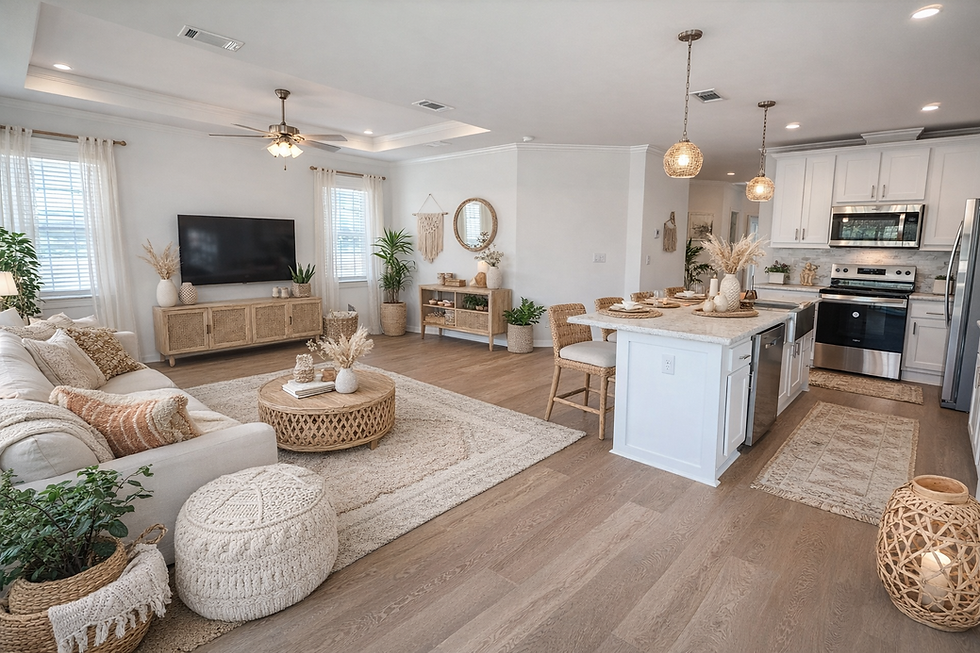
Many retirees begin looking for homes that offer:
Single-level living
Open floor plans
Modern kitchens
Comfortable primary suites
Manageable outdoor space
Lower maintenance needs
The goal is not necessarily to own less.
It is to choose a home that supports the way you live now.
A well-designed home can make daily life easier while freeing more time for travel, friendships, fitness, and recreation.
A Calmer Lifestyle Still Includes Activity
Coastal calm should not be confused with inactivity.
Many coastal retirement communities are full of opportunities to stay engaged.
Residents may participate in:
Pickleball
Walking groups
Fitness classes
Social gatherings
Club activities
Community events
Beach outings
The difference is that activity becomes a choice rather than an obligation.
You can attend a class in the morning, meet friends for lunch, and still enjoy a quiet afternoon at home.
This balance is one of the strongest appeals of a 55 plus community in Florida. It allows residents to stay active without recreating the constant pressure of city life.
What to Consider Before Making the Move
The idea of coastal retirement living can sound appealing, but every move deserves careful thought.
Before relocating, consider:
Distance from family
Healthcare access
Community culture
Home maintenance
Monthly costs
Local amenities
Social opportunities
Visit the area more than once if possible. Explore the neighborhood during different times of day. Talk with residents. Drive to the places you would use regularly.
The right move should feel practical as well as emotional.
A beautiful view matters, but so do daily convenience, financial comfort, and long-term happiness.
A Subtle Shift That Can Change Everyday Life
For many people, moving from a large city to a coastal community does not feel like one dramatic change.
It feels like a series of smaller improvements.
The grocery store is easier to reach. The neighborhood is quieter. Outdoor activities are more accessible. Social events feel more welcoming. The home is easier to maintain.
Over time, those small changes create a different quality of life.
A community such as Plantation Oaks of Ormond Beach may appeal to people who want modern homes, nearby amenities, and opportunities for social activity without returning to a fast-paced environment.
The goal is not to escape life.
It is to build a version of life that feels more manageable, connected, and enjoyable.
Trading city stress for coastal calm is about more than leaving traffic behind.
It is about creating more time for health, friendships, hobbies, and everyday enjoyment.
Coastal retirement living can offer quieter surroundings, easier routines, access to nature, and a stronger sense of community. It can help turn retirement from a break after work into a lifestyle with purpose and balance.
The right move will look different for everyone. Some people want a full social calendar. Others want quiet mornings and occasional gatherings.
The important question is not whether coastal living is perfect.
It is whether it supports the kind of life you want to live next.


Comments